Last updated: October 2026
Is Kampala safe is a question every first-time visitor and relocating family asks, and the honest answer has two parts. Government travel advisories for Uganda are serious, while thousands of expats, diplomats and NGO staff live and work in the city every day. This guide sets out the current official advice, the risks that affect visitors most, and the precautions that reduce them. In short: check your government’s latest advisory first, then plan for petty crime, road safety and night-time transport, which are the risks most visitors actually meet.
Key takeaways
- The US State Department rated Uganda Level 4, Do Not Travel, in May 2026, citing health, crime, terrorism and unrest.
- The WHO and Africa CDC declared Uganda’s 2026 Ebola outbreak over on 27 August 2026. Advisories may lag behind such changes, so check the current level.
- Bag snatching, including by thieves on motorcycle taxis, is among the most reported crimes in Kampala.
- Road traffic, especially boda bodas, is a major everyday risk.
- Secure accommodation, registered transport at night and low-profile habits prevent most problems.
What official travel advisories say
Government travel advisories are the starting point for any trip. They change often, so read the latest version from your own government before you book and again before you fly.
United States
The US State Department raised Uganda to Level 4, Do Not Travel, on 17 May 2026. It renewed the advisory on 4 June 2026, citing health, crime, terrorism and unrest.
The health element was linked to the Bundibugyo Ebola outbreak in the Democratic Republic of Congo and Uganda. The advisory also describes violent crime, including armed robbery and home invasion, as more common in larger cities and border areas.
Ebola status in Uganda
Uganda reported 20 confirmed Ebola cases during the 2026 outbreak, with the last patient discharged on 16 July. The WHO and Africa CDC declared Uganda’s outbreak over on 27 August 2026, after 42 days without a new case.
The outbreak continued in neighbouring DRC. Check the current health advice for Uganda with your government and the WHO before travel.
United Kingdom and others
The UK Foreign, Commonwealth and Development Office (FCDO) publishes its own Uganda advice, including a warning that terrorist attacks are likely. Canada, Australia and other governments publish separate guidance.
Each advisory also affects travel insurance. Some policies do not cover travel against official advice, so check your policy wording.
The risks visitors actually face in Kampala
Petty crime and bag snatching
Bag and phone snatching is one of the most reported crimes in Kampala. Thieves on motorcycle taxis target pedestrians and people sitting in cars with open windows.
Carry bags on the side away from the road, keep phones out of sight on the street, and keep car windows up in slow traffic.
Violent crime
Armed robbery and home invasion do occur, and official advisories highlight them. Risk rises at night, in isolated areas and when people walk alone.
Secure accommodation with 24 hour guards, controlled access and good lighting reduces this risk significantly.
Road safety
Road traffic is one of the most serious everyday risks in Kampala. Motorcycle taxis, known as boda bodas, weave through traffic and are involved in many crashes.
Many organisations tell staff not to use boda bodas. If you do use one, wear a helmet and choose app-based services.
Terrorism and unrest
Kampala experienced bombings in 2021, and advisories warn that attacks remain possible. Likely targets include crowded places, transport hubs and religious and government sites.
Protests can develop quickly, especially around political events. Avoid demonstrations and large gatherings.
Health
Kampala is in a malaria area. Speak to a travel clinic about prevention, use repellent and sleep under a net where provided.
Drink bottled or filtered water, and carry travel insurance that includes medical evacuation.
Laws affecting LGBTQ+ travellers
Uganda’s Anti-Homosexuality Act of 2023 imposes severe penalties. LGBTQ+ travellers should read their own government’s specific guidance before deciding to travel.
Safer neighbourhoods to stay in
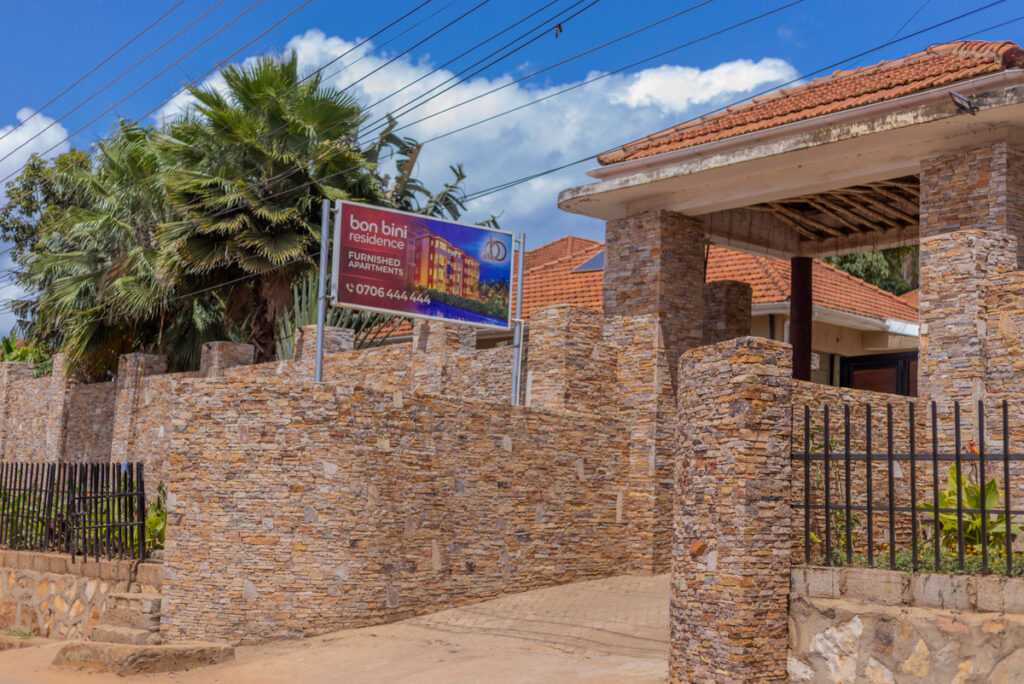
No area is risk-free, but expats and diplomatic staff concentrate in a handful of residential neighbourhoods. These include Kololo, Naguru, Bugolobi, Muyenga and Munyonyo.
What matters most is the building itself: guards, controlled entry, secure parking and lighting. The guide to where to stay in Kampala compares these areas.
Getting around safely
| Transport | Safety notes |
|---|---|
| Pre-booked private driver | Safest option, especially at night and from the airport |
| Ride hailing apps | Trip tracking and driver details recorded |
| Official airport taxi | Use marked Airport Taxi vehicles and agree the fare first |
| Boda boda | High crash risk, many organisations advise against |
| Minibus taxi | Cheap but crowded, watch for pickpockets |
For arrival options, read the guide to Entebbe Airport to Kampala transport.
Practical safety checklist
- Register with your embassy’s travel enrolment service if it offers one.
- Keep a copy of your passport and visa separate from the originals.
- Use pre-booked transport or ride hailing apps after dark.
- Avoid walking alone at night, even for short distances.
- Keep phones, jewellery and cameras out of sight on the street.
- Save local emergency numbers and your accommodation’s number in your phone.
- Avoid protests, rallies and large crowds.
Security at Bon Bini Residence
Bon Bini Residence in Muyenga has 24/7 security, free secure on-site parking and a backup generator, so lighting and power stay on during outages. The team arranges private airport transfers for $35 one way and a car with driver on request.
See the furnished apartments in Kampala or plan a longer stay with expat housing in Kampala.
Frequently asked questions
Is Kampala safe for tourists?
Many visitors travel to Kampala without problems, but official advisories are serious. In May 2026 the US rated Uganda Level 4, Do Not Travel. Check your government’s current advisory, then take precautions against bag snatching, road risks and night-time travel.
What is the current US travel advisory for Uganda?
The US State Department set Uganda at Level 4, Do Not Travel, on 17 May 2026 and renewed it on 4 June 2026, citing health, crime, terrorism and unrest. Check travel.state.gov for the latest level.
Is Ebola still a risk in Uganda?
The WHO and Africa CDC declared Uganda’s 2026 Ebola outbreak over on 27 August 2026. The outbreak continued in neighbouring DRC, so check current health advice before you travel.
Is it safe to walk in Kampala at night?
Walking alone at night is not recommended. Use a pre-booked driver or a ride hailing app, even for short trips.
Are boda bodas safe in Kampala?
Boda bodas are fast but involved in many road crashes, and many organisations advise staff not to use them. If you do, wear a helmet and use an app-based service.
Written by the Bon Bini Residence team in Muyenga, Kampala. We host business travellers, families and expats in our serviced apartments all year and update this guide as things change.
Looking for secure accommodation in Kampala? See all apartments and check availability, or message us on WhatsApp at +256 706 444 444.